
Heavy Copper PCB Manufacturer
Copper Threshold
Thick Copper PCB Manufacturing, Defined by the Load It Carries
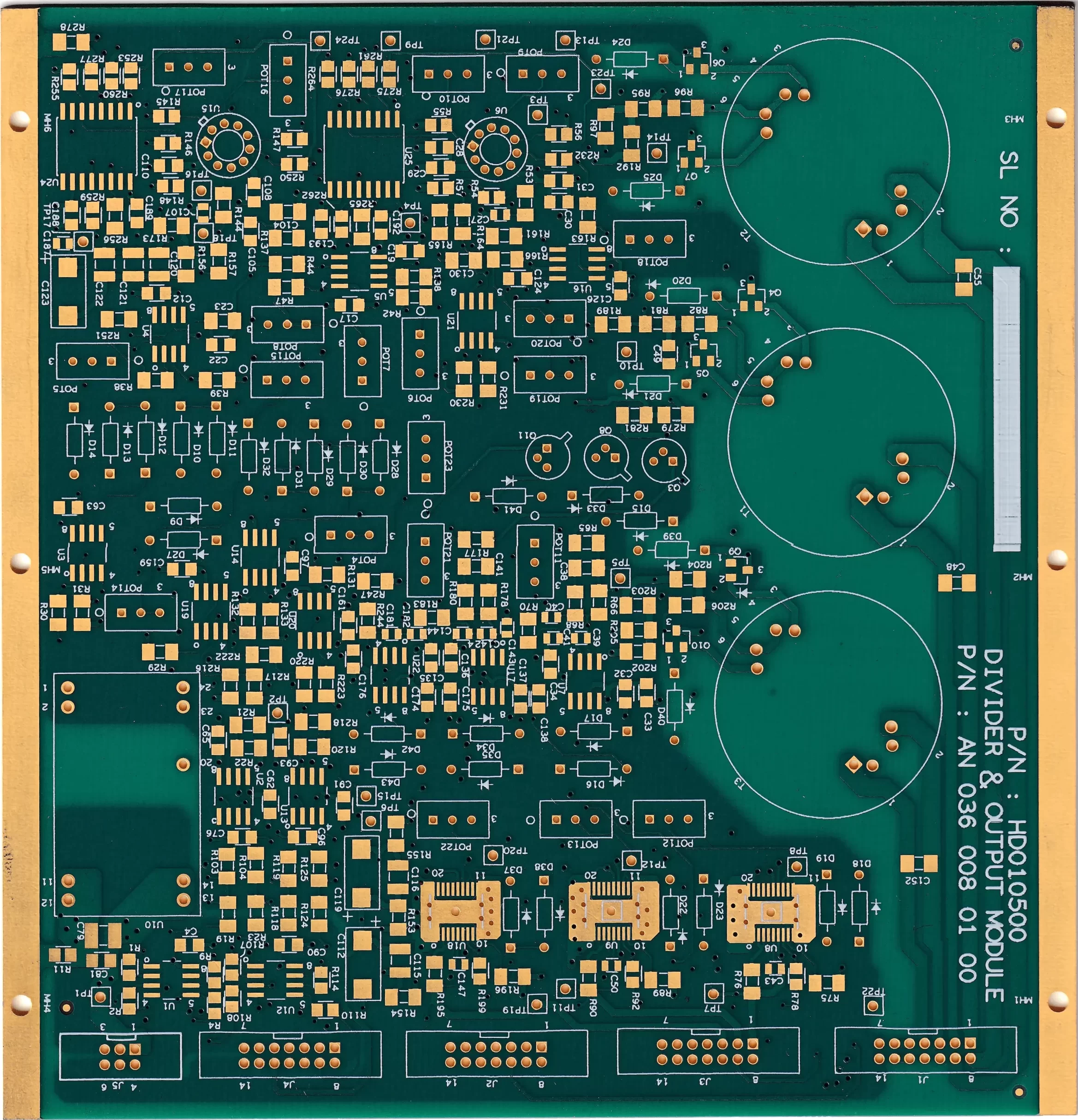
A standard PCB runs 1 to 2 oz copper, fine for signal-level current. Once a board needs to carry real amperage, that thickness stops being enough. Heavy copper starts around 3 oz and climbs from there, and every oz beyond standard changes how the board has to be etched, plated, and inspected. As a thick copper PCB manufacturer, that shift in process is the entire job, not an add-on to a standard build.
This is where a lot of PCB manufacturers quietly struggle. Etching thick copper evenly is harder than etching thin copper; the etchant has to cut deeper without undercutting the trace. Plating has to stay uniform across that added thickness too. Get either wrong, and the board looks fine until it’s under load. As a high current PCB manufacturer in India, we build our process around that specific failure point, not around the version of heavy copper that’s easiest to run.
Even Etching
Controlled etch depth holds trace geometry at higher copper weights.
Uniform Plating
Copper thickness stays consistent across the panel, not just at the edges.
Load-Bearing Applications
Heavy Copper PCB Applications for Power Electronics
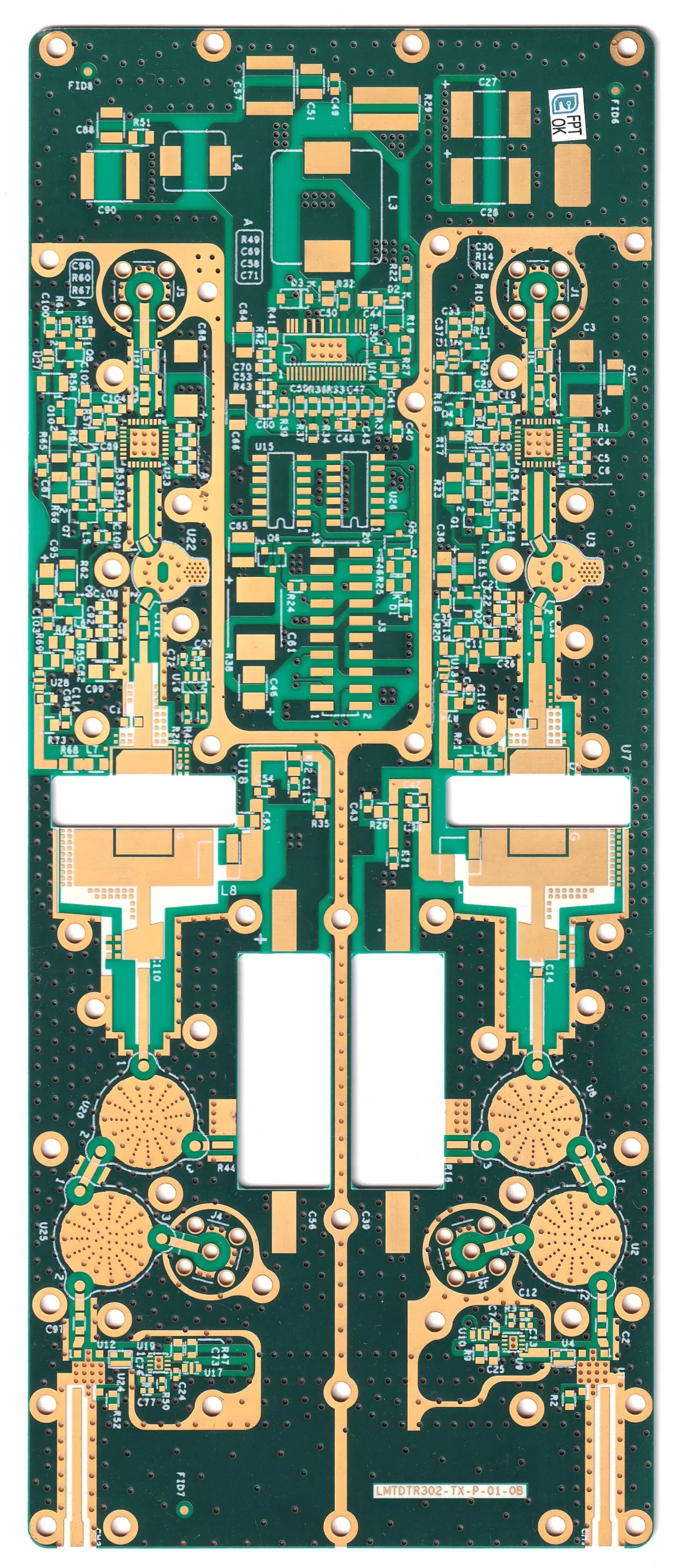
Heavy copper earns its place wherever current, not just signal, is running through the board. It shows up in power conversion, motor control, and anywhere a thin trace would heat up and fail long before the circuit ever throws an error. A heavy copper PCB for power electronics has to move that heat as well as the current.
We build heavy copper boards for the applications where that thermal margin actually matters, not as a catalogue line item nobody specs.
- Power conversion and power supply units
- Motor drives and variable frequency drives
- Battery management systems
- High-current busbars and power distribution boards
- Inverters and rectifier circuits
- Renewable energy and grid-tied power systems
Process Control
Heavy Copper PCB Manufacturing, Built for Thickness
Step 1
Controlled Differential Etch
Etch timing adjusted for copper weight, not run on a standard board cycle.
Step 2
CMI Thickness Verification
Every board's copper thickness is measured, not estimated from the spec sheet.
Step 3
100% Inspection at Load Spec
AOI and fly probe testing are applied with heavy copper's higher current tolerances in view.
Step 4
In-House DFM to Test
No handoff between plating, etching, and final inspection.
Mixed Stack-Ups
Multilayer Heavy Copper PCB Manufacturing
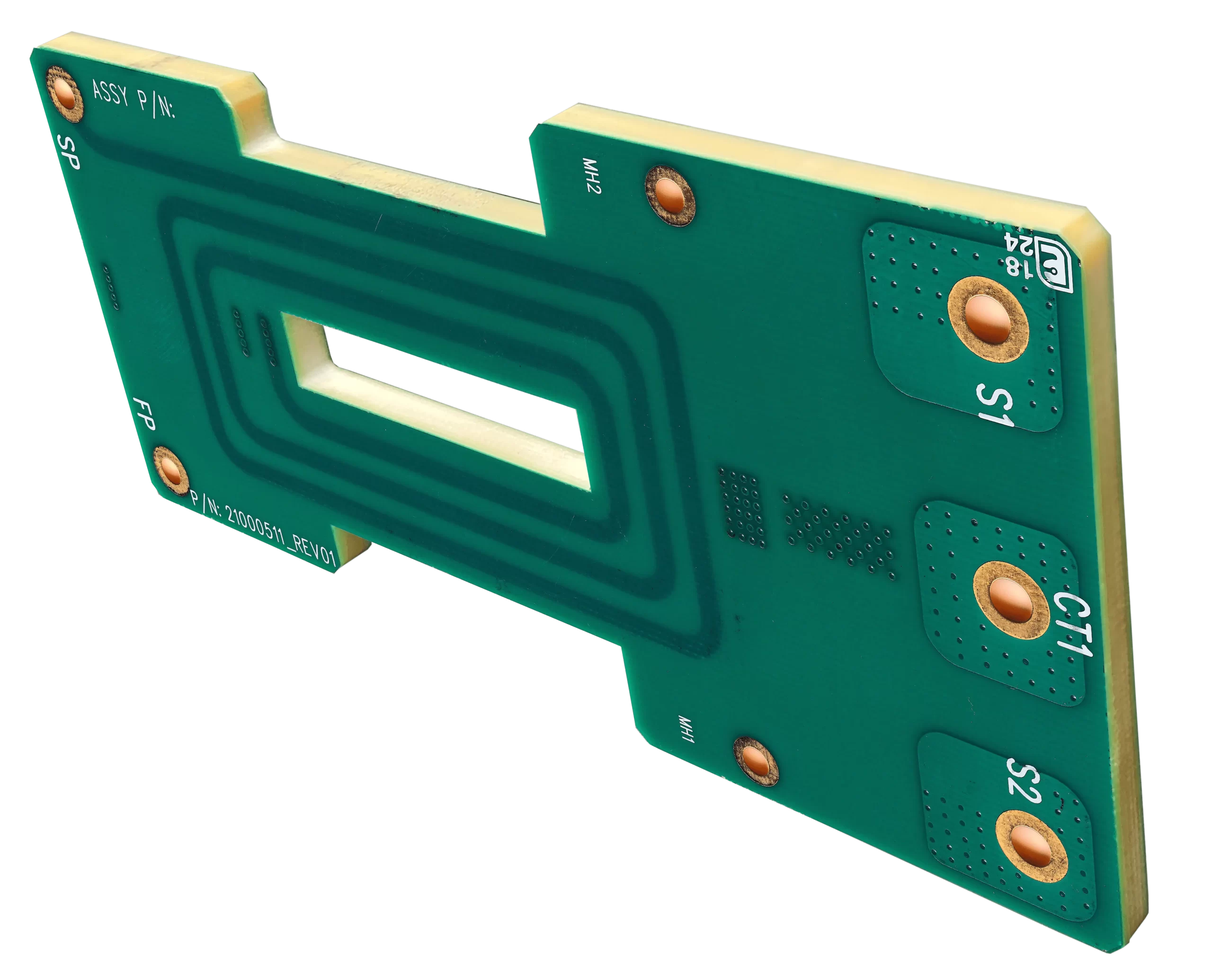
A multilayer heavy copper PCB rarely runs the same copper weight on every layer. Power layers need the thick copper; signal layers don’t, and forcing uniform weight across the stack wastes material and adds thermal mass nobody asked for. Building that mix without warping the panel or starving a thin trace of etchant is where most of the real engineering happens.
Thermal management gets harder too, once heat has to move through a stack instead of across a single plane. We build mixed-weight stack-ups where the power layers carry the load and the signal layers stay clean, verified layer by layer rather than checked once at the end.
Why Us
A Heavy Copper PCB Manufacturer That Tests for Load, Not Just Layout
- Since 1983: Four decades fabricating boards for sectors where failure isn't an option.
- CMI-Verified Copper: Thickness measured on every board, not sampled from a batch.
- LCSO & ISO Certified: JSS 52302 and ISO 9001:2015, held since fabrication began.
- Named Client Trust: ISRO, HAL, BEL, and Bosch have run heavy copper boards through us.
Certified for Load
Heavy Copper PCB for Defence and High-Reliability Applications
A heavy copper PCB for defence applications doesn’t get a second chance if it fails under sustained current. We hold ISO 9001:2015 and LCSO certification under JSS 52302, and we’ve built heavy copper boards for ISRO, HAL, BEL, and Bosch.






















By Sector
Heavy Copper PCB Manufacturer in India, By Industry
Power & Energy
Inverters and battery systems that run current continuously, not in bursts.
Defence Electronics
LCSO-certified builds for programs where failure isn't an option.
Automotive
Copper that holds up under heat, vibration, and years on the road.
Industrial Automation
Motor drives and control systems running at sustained load daily.
Telecom Infrastructure
Power distribution boards behind equipment that can't go dark.
Aerospace & Space
High-reliability current-carrying boards built for hardware with no repair option.
What copper weight qualifies as "heavy copper"?
Can heavy copper be combined with multilayer construction?
Do you test copper thickness on every board or a sample?
Is heavy copper available for defence-certified production?
What industries typically need heavy copper PCBs?
What's the difference between heavy copper and standard PCB manufacturing?
Can heavy copper PCBs be combined with impedance-controlled design?
What files do you need to quote a heavy copper PCB?
Is there a minimum order quantity for heavy copper boards?
How is heavy copper PCB thickness measured?
Direct Answers

